
*Please note that whilst the Allotments are owned and run by Hedge End Town Council, this
website is independent and therefore Hedge End Town Council are not responsible for it or for any
of its content.
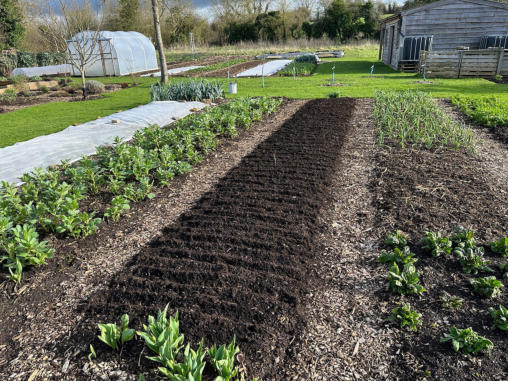

CLICK ON IMAGES OR TEXT TO VISIT CHARLES DOWDING WEBSITE


What is no dig
No dig means two things.
First, leave soil undisturbed as much as is practical. You may occasionally need to use a
spade or trowel, for example when cutting out bramble roots, making a hole for planting
trees, or planting seed potatoes.
The second part of no dig is to feed the masses of soil life, with organic matter on the
surface. This is how it happens in nature, where old leaves and woody materials are
always decaying on top of the ground.
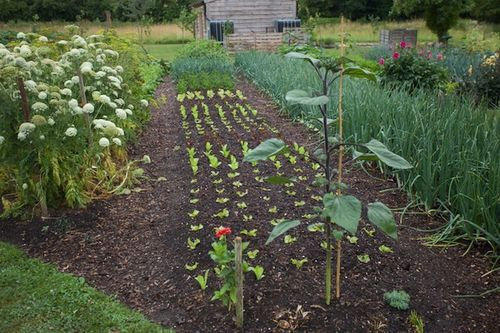
For growing annual plants such as most vegetables, especially in damp climates, I
recommend using compost as the surface mulch, rather than undecomposed materials.
This speeds up the increase in fertility needed by vegetables, and reduces habitat for
slugs.

*Please note that whilst the
Allotments are owned and run by
Hedge End Town Council, this
website is independent and
therefore Hedge End Town Council
are not responsible for it or for any
of its content.


CLICK ON IMAGES OR
TEXT TO VISIT
CHARLES DOWDING WEBSITE

What is no dig
No dig means two things.
First, leave soil undisturbed as much
as is practical. You may occasionally
need to use a spade or trowel, for
example when cutting out bramble
roots, making a hole for planting
trees, or planting seed potatoes.
The second part of no dig is to feed
the masses of soil life, with organic
matter on the surface. This is how it
happens in nature, where old leaves
and woody materials are always
decaying on top of the ground.
For growing annual plants such as
most vegetables, especially in damp
climates, I recommend using compost
as the surface mulch, rather than
undecomposed materials. This speeds
up the increase in fertility needed by
vegetables, and reduces habitat for
slugs.


